
Overcome supply chain challenges with Manufacturing Resource Planning. Discover the key benefits of MRP and the steps for a successful implementation.
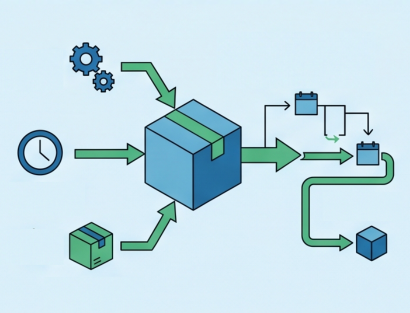
With global supply chains facing unprecedented disruptions and consumer demands constantly evolving, manufacturers need a robust system to navigate these challenges. Manufacturing resource planning (MRP) presents a powerful solution.
MRP revolutionizes the way manufacturers plan and manage their operations. By integrating data on inventory, production schedules, and demand forecasts, this automation optimizes resource allocation, minimizes waste, and ensures timely deliveries.
This post explains the many benefits of MRP and walks you through the key steps for its successful implementation.
Manufacturing resource planning, commonly referred to as MRP, is a comprehensive system that helps manufacturers manage their resources effectively by coordinating materials, labor, and production schedules. It is designed to handle the complexities of production processes by providing real-time data and insights for decision-making and reducing waste by synchronizing supply with demand.
MRP II, or Manufacturing Resource Planning II, is an advanced version of the original MRP system. It includes features such as capacity planning to ensure production capabilities align with the master production schedule (MPS), financial planning to manage production costs and resource allocation, and human resources planning to address workforce needs and schedule for production.
An effective MRP system typically comprises several key components:
This component focuses on tracking the flow of materials throughout the entire manufacturing process. It monitors stock levels of raw materials, work-in-progress (WIP), and finished goods in real-time. By automatically triggering purchase orders when inventory levels fall below predefined thresholds, it ensures the timely availability of necessary materials while minimizing holding costs.
This aspect of manufacturing focuses on resource allocation to create a detailed production schedule that optimizes resource use and ensures timely delivery. It involves evaluating production capacity, creating a Master Production Schedule (MPS), and creating and managing work orders to meet scheduled deadlines. Production scheduling also calculates lead times for each production step.
This component helps plan and manage labor requirements effectively. It determines the required skills and number of workers for each production stage, creates and manages employee schedules, optimizes labor costs by effectively utilizing overtime and shift work, and monitors employee productivity to identify areas for improvement.
Accurate demand forecasting is essential for effective production planning. This component utilizes historical sales data, market research, and statistical forecasting methods to predict future customer demand. By anticipating future needs, manufacturers can adjust production plans accordingly, minimizing the risk of stockouts or overproduction.
This is vital for maintaining profitability. Cost control tracks and manages all production costs, including material costs, labor costs, and overhead expenses. By analyzing cost data and identifying areas for improvement, MRP systems help manufacturers minimize waste and optimize resource utilization.
Implementing an MRP system can benefit your manufacturing operations in many ways:
This is a direct benefit of implementing manufacturing resource planning. MRP provides you with real-time visibility into inventory levels and helps you maintain optimal stock levels, reduce waste, and minimize holding costs. This ensures that you have the right materials at the right time, boosting your overall production efficiency.
With its ability to see material availability, machine capability, and available workers, the MRP system can produce a highly efficient schedule for your manufacturing operation. The optimized schedule will help you prevent production delays, improve workflow, and fulfill orders by their deadlines.
By identifying and eliminating bottlenecks in the production flow, MRP helps streamline operations. This can involve optimizing production steps, reducing waste, and minimizing downtime, leading to faster production cycles and increased overall efficiency.
MRP systems utilize historical data, market trends, and statistical models to predict future customer demand with greater accuracy. This enables manufacturers to adjust production plans proactively, minimizing the risk of overproduction or stockouts and ensuring they can meet anticipated demand.
MRP systems prove instrumental in realizing cost savings by optimizing the utilization of resources, reducing waste, and making operations more efficient. This includes reducing the use of raw materials, optimizing the schedules of labor, and cutting back on energy consumption.
MRP systems ensure that all resources, including raw materials, labor, machinery, and equipment, are utilized effectively. This minimizes idle time, maximizes production output, and improves the overall return on investment for resources.
One of the greatest benefits of MRP systems is that they contribute to increased customer satisfaction by improving on-time delivery, order fulfillment accuracy, and the ability to meet customer demands. As a result, stronger customer relationships can be built, repeat business is encouraged, and brand loyalty is enhanced.
MRP systems provide real-time data and insights into key performance indicators (KPIs), such as inventory levels, production progress, and resource utilization. This empowers managers to make informed decisions quickly and respond effectively to changing market conditions.
MRP systems are designed to be scalable and can adapt to the changing needs of a growing business. They can accommodate increased production volumes, new product lines, and expanding operations, providing the flexibility and support needed for continued business growth.
Enterprise Resource Planning (ERP) is a comprehensive suite of integrated applications designed to streamline all aspects of a business. While MRP focuses on managing manufacturing processes like inventory control and production scheduling, ERP covers a much wider range of functionalities.
ERPs include modules for human resources, supply chain management, financial management, customer relationship management, and more. ERP ensures that information flows seamlessly between different departments, breaking down silos and enhancing overall business productivity.
When it comes to integration, MRP modules easily fit into ERP systems. They manage the manufacturing-specific functions as part of a larger system, ensuring end-to-end operational efficiency. This integration allows for real-time data flow and consistency, which enables businesses to optimize resources, forecast demand accurately, and make informed decisions quickly. ERP systems, with integrated MRP modules, provide a holistic view that connects manufacturing operations to the broader business strategy.
A powerful MRP software solution offers a range of features to manage your manufacturing operations effectively. These features include:
A key aspect of any effective MRP system is its ability to integrate with other systems in your organization. These include ERP, CRM, and inventory management software.
Real-time data integration ensures that all departments have access to the same latest information, which enables informed decision-making across the entire organization. For example, real-time inventory data can trigger automatic purchase orders, while real-time sales data can inform production scheduling adjustments.
A robust MRP system should provide comprehensive tools for managing the entire work order lifecycle. This includes creating, assigning, and tracking work orders, monitoring progress, and identifying potential bottlenecks.
By effectively managing work orders, manufacturers can ensure timely production, improve resource allocation, and minimize production delays.
Companies can maximize productivity and minimize costs by having the right resources in the right place at the right time. Effective resource allocation can help ensure this.
A good MRP system provides tools for optimizing the allocation of labor, machinery, and materials. These tools can help avoid overutilization or underutilization of resources, identify bottlenecks, and explore different resource allocation scenarios to find the most efficient and cost-effective approach.
Customizable dashboards provide a visual representation of KPIs relevant to your specific manufacturing needs. These dashboards can display real-time data on production output, inventory levels, on-time delivery rates, and other critical metrics.
This visual representation allows for easy monitoring of progress, identification of areas for improvement, and quick identification of issues.
Successfully implementing an MRP system requires a properly structured approach. Here are some steps to take:
Before jumping straight into MRP implementation, assess your current processes. Understand what's working and what's not. Ask yourself questions like:
This evaluation will help you pinpoint areas for improvement and set a baseline to measure future success. You can't manage what you don't measure, so a comprehensive assessment lays the groundwork for achieving remarkable results with MRP.
Define specific, measurable, achievable, relevant, and time-bound (SMART) goals for the MRP implementation. Begin by identifying the specific goals you want to achieve, such as reducing inventory costs, improving production efficiency, or enhancing customer satisfaction.
For example, lay out your objectives with specific details:
Clearly defined goals not only keep the implementation focused but also provide benchmarks to measure success.
When implementing an MRP system, selecting the right software that aligns with your goals and growth plans can get overwhelming. Start by identifying the specific needs of your manufacturing process. Are you focusing on inventory management, demand forecasting, or perhaps labor management? Understand the critical pain points that need addressing.
Next, research and compare options. Look for user reviews, case studies, and expert opinions to get a sense of each software's strengths and weaknesses. A demo session can also provide valuable insights into the software's user interface and functionality.
After selecting the right software, it's essential to train your team so that they are well-prepared and capable of leveraging its full potential.
Start by crafting a comprehensive training program tailored to different organizational roles. Focus on the software's technical aspects and how it aligns with your specific business processes. Engage experienced trainers or consultants who specialize in MRP systems. These experts can provide insights and hands-on training sessions, ensuring your team feels confident and competent.
You should create a culture of continuous learning and encourage employees to ask questions. Provide access to resources to deepen their understanding as they gain more experience using the system.
Once your system is up and running, the journey doesn't stop there. Monitoring the system's performance is crucial for long-term success. Regular audits can help identify any bottlenecks or inefficiencies that may arise over time. Use data analytics to gain insights into production metrics and observe trends that can inform adjustments.
Optimization is an ongoing process. By continually fine-tuning the system, you can adapt to changing market demands, technological advancements, and internal workflow improvements. Encourage feedback from your team and remain open to incorporating innovative strategies that can enhance your operations.
While this blog post provides a comprehensive overview of Manufacturing Resource Planning (MRP) systems, selecting the right software is crucial for successful implementation.
KIMCO can be a powerful asset for your manufacturing operations. Here's why you should consider our software:
Leveraging KIMCO will be a game-changer for your manufacturing business. Its features will help you gain an edge over your competitors by unlocking operational excellence and driving sustainable business growth.
Book a free demo to experience firsthand how KIMCO can transform your manufacturing operations.

Start your journey with KIMCO today and explore how our manufacturing management software can simplify your operations, step up productivity, and help you meet all your business goals.
