
Explore the key concepts of green production, with a focus on key principles like resource efficiency and waste reduction
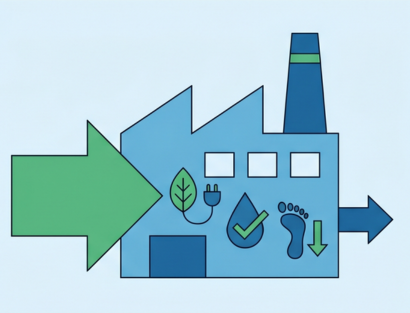
As "Going green" gains momentum in the environmentally conscious world, more consumers are making purchasing decisions based on a company's commitment to sustainability. This paradigm shift marks a change in priorities for manufacturers, pushing them to re-evaluate their operations and embrace eco-friendly practices.
What exactly is sustainability in manufacturing, and how can companies achieve it? In this post, we explore the concept of green production, with a focus on key principles like resource efficiency and waste reduction. We will also share the best practices that manufacturers can implement to create more sustainable and environmentally responsible manufacturing processes.
Sustainability in manufacturing involves adopting processes that are environmentally friendly, economically viable, and socially responsible. The goal is to minimize negative impacts on the planet while maintaining profit and social well-being. It involves finding innovative ways to use and manage resources better, reduce waste, and build a positive relationship between the manufacturing sector and the natural world.
Here are the six pillars upon which a sustainable manufacturing operation is built:
Reducing waste at every stage of production, from raw materials to finished products, conserves resources and minimizes landfill contributions. Rethinking packaging, implementing lean manufacturing principles, and exploring product redesign can all contribute significantly to waste reduction.
Cutting back on energy use is a win-win. It reduces the environmental impact by lowering greenhouse gas emissions and saves businesses money on energy bills. Investing in energy-saving equipment, refining production methods, and tapping into renewable resources are all effective strategies.
Choosing materials that have a lower environmental impact throughout their lifecycle is crucial. This might involve using recycled content, opting for bio-based materials, or exploring ways to minimize the overall material consumption in production.
Water is a precious resource, and manufacturing can be quite water-intensive. Sustainable manufacturers implement water-saving practices like fixing leaks, exploring water recycling opportunities, and employing water-efficient technologies.
A truly sustainable approach goes beyond the factory walls. Collaborating with suppliers who share your commitment to sustainability ensures that the environmental impact is addressed throughout the entire supply chain. This could involve working with local suppliers who can help you reduce transportation emissions and encourage responsible labor practices throughout the supply chain.
Every bit of electricity matters and sustainable practices aim to optimize energy usage throughout the production cycle. This could involve implementing automated power-down features for equipment when not in use, scheduling production during off-peak energy hours, and continuously monitoring energy consumption.
Now that we understand the principles of sustainable manufacturing, let's explore how businesses are putting these into action.
One of the most effective ways to reduce energy consumption is to conduct regular energy audits. These audits help identify areas where energy is being wasted, such as inefficient equipment, excessive lighting, or poorly insulated buildings. By uncovering these areas, businesses can implement targeted improvements to reduce their energy footprint.
Let’s say a manufacturing plant discovers that its old lighting system is using more energy than modern LED alternatives. By upgrading to LED lighting, the plant can reduce energy consumption, lower electricity bills, and decrease its carbon emissions.
Material waste is a significant problem in many manufacturing industries. One of the most effective ways to reduce material waste is to implement lean manufacturing principles. These focus on eliminating waste from all aspects of the production process, including material waste. By identifying and eliminating non-value-added activities, businesses can reduce the amount of wasted material.
Designing products with sustainability in mind can also help reduce waste throughout their lifecycle. For example, products can be designed to be easily disassembled and recycled, or they can use materials that are more easily recyclable.
The right schedule can make or break a manufacturing operation. Efficient scheduling is about making the most out of every minute, every machine, and every team member.
Effective scheduling involves allocating resources, equipment, and workers while minimizing downtime and maximizing throughput. Manufacturers reduce waste and emissions by optimizing the flow of production processes while maintaining productivity. For instance, by strategically planning production tasks, you can further enhance lean manufacturing practices and integrate just-in-time inventory systems.
Companies are adopting energy-saving practices to cut operational costs and minimize their carbon footprints. Switching to energy-efficient LED lighting and installing motion sensors can significantly reduce electricity consumption. Optimizing HVAC systems and investing in advanced energy management systems that monitor and control energy usage helps identify inefficient practices and areas for improvement.
Another crucial step involves maintaining machinery, as well-tuned equipment operates more efficiently. By embracing these energy-saving practices, manufacturers contribute to environmental conservation and achieve substantial financial savings, proving that going green is economically and ecologically necessary.
Embracing circular manufacturing models allows manufacturers to decrease waste effectively by designing processes that continuously reuse resources. By focusing on a closed-loop system, manufacturers optimize their use of materials and contribute to reducing environmental impact. This means less reliance on raw material extraction and minimization of waste going to landfills.
Implementing circular models opens opportunities for innovation in product design and resource recovery. It encourages solutions like remanufacturing, refurbishing, and recycling - transforming waste into new resources. This approach can boost economic performance by reducing the costs associated with material acquisition and waste management. It positions manufacturers as proactive stewards of sustainability, aligning with globally recognized environmental goals.
Manufacturers are recognizing the powerful impact employee involvement can have on sustainability efforts. Engaging team members through targeted training programs is essential in aligning company goals with sustainable practices. These initiatives often include workshops on energy-saving techniques, waste-reduction strategies, and eco-friendly manufacturing processes.
Building a company-wide culture of continuous learning and improvement encourages employees to become active participants in the company's green initiatives. By focusing on education, manufacturers can harness the collective power of their workforce to drive meaningful change.
The biggest hurdles to achieving sustainability are often manual processes and a lack of real-time data. Energy-efficient technology plays a crucial role here. Here's why it's worth the investment:
ERP systems can help manufacturers track material usage throughout their supply chain, identifying areas where waste can be reduced. Systems like Kimco's can play a crucial role in helping manufacturers achieve their sustainability goals. By providing a centralized platform for managing various aspects of the business, these systems enable manufacturers to:
ERP systems can help manufacturers track the usage of materials throughout their supply chain, identifying areas where waste can be reduced. By monitoring material consumption and identifying inefficiencies, businesses can optimize their production processes and minimize waste.
ERP systems can also be used to monitor energy consumption across different areas of the manufacturing facility. By collecting and analyzing energy data, businesses can identify areas where energy is wasted and implement targeted improvements to reduce their energy footprint.
ERP systems can help manufacturers optimize their supply chains by providing visibility into the environmental impact of suppliers and transportation routes. By selecting suppliers with strong sustainability practices and optimizing transportation routes, businesses can reduce their overall carbon footprint.
ERP systems provide manufacturers with the data they need to make informed decisions about their operations. By analyzing data on energy consumption, material usage, and production efficiency, businesses can identify opportunities for improvement and implement targeted sustainability initiatives.
By investing in energy-efficient technology and leveraging ERP systems, manufacturers can create a more sustainable operation that helps reduce environmental impact and also improves profitability and competitiveness in the long run.
While the benefits of sustainable manufacturing are clear, manufacturers face certain challenges on their journey toward sustainability.
Transitioning to sustainable practices often requires significant upfront investments in new equipment, technologies, and processes. This can be a barrier for smaller manufacturers with limited financial resources. Obtaining funding for sustainability initiatives can be challenging, as traditional financing models may not prioritize environmental benefits.
The lack of standardized performance benchmarks for sustainable manufacturing can make it difficult to measure progress and compare performance across different industries and regions. This can hinder manufacturers' ability to set realistic goals and track their progress toward sustainability.
Many manufacturers may not have a clear understanding of sustainability concepts or how to integrate them into their operations, which can lead to missed opportunities for improvement and a failure to realize the potential benefits of sustainable practices. This can be particularly true for smaller businesses with limited resources.
Despite the challenges, the future of sustainable manufacturing looks promising. As consumer awareness and regulatory pressures continue to increase, there will be a growing demand for products made with sustainable practices. This will drive innovation and create new opportunities for manufacturers to differentiate themselves in the marketplace.
Advancements in technology will continue to play a crucial role in enabling sustainable manufacturing. Emerging technologies such as artificial intelligence (AI), the Internet of Things (IoT), and additive manufacturing have the potential to revolutionize production processes and reduce environmental impact.
Sustainable manufacturing is transforming the way businesses manufacture products. By focusing on key principles such as waste reduction, energy efficiency, and eco-friendly materials, they are implementing practices that benefit the environment while enhancing operational efficiency.
Kimco's state-of-the-art ERP system empowers manufacturers to become sustainability champions. Packed with features designed for resource optimization and data-driven decision-making, our platform helps to:
Ready to explore firsthand how Kimco can enhance and elevate your sustainable manufacturing practices?

Start your journey with KIMCO today and explore how our manufacturing management software can simplify your operations, step up productivity, and help you meet all your business goals.
