
Explore the critical aspects of vendor relations, including their impact on business success and practical strategies for cultivating strong partnerships.
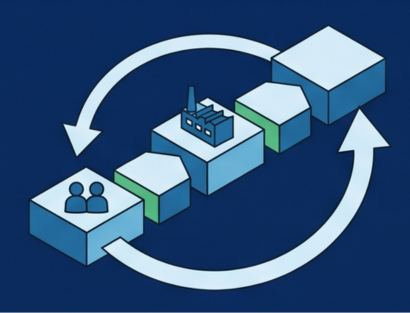
The quality of a company's vendor relationships greatly influences its overall success. Establishing strong supplier partnerships ensures a reliable and efficient supply chain. By building strong vendor relationships, businesses can gain access to high-quality products and services. But is that the only advantage?
This article explores the critical aspects of vendor relations, including their impact on business success and practical strategies for cultivating strong partnerships. By understanding the importance of these relationships and implementing the recommended practices, businesses can enhance their bottom line and drive sustainable growth.
Vendor relations are the interactions and relationships a business forms with its suppliers, who provide crucial goods and services. They are not just about transactions but about creating partnerships that benefit both sides. Effective vendor relationships can boost a company’s success by maintaining steady supplies, encouraging new ideas, and decreasing costs.
Maintaining vendor relations goes far beyond just checking a box. Here's how strong vendor partnerships can benefit your business:
Wondering how to build these powerful partnerships? Here are the fundamental pillars of strong vendor relations:
Effective communication is fundamental to building any successful vendor relationship. Regular communication between the vendor and the customer ensures that both parties are on the same page and can promptly address any issues that may arise. It also allows both parties to share updates and reports on their progress.
This open communication fosters trust and transparency between the vendor and the customer, which leads to a more collaborative and productive partnership.
Nurturing a partnership requires shifting your perspective to view vendors as allies with aligned objectives. Embrace a collaborative mindset rooted in trust and mutual respect. This not only enhances operational efficiencies but also sets the stage for innovation.
When both parties work towards shared goals, the potential for long-lasting and beneficial growth becomes more attainable.
Regular performance monitoring is essential for ensuring that your business meets and exceeds expectations. By setting clear key performance indicators (KPIs) and benchmarks, you can effectively track the contributions of your vendors and ensure that they are meeting your expectations.
This practice highlights areas of efficiency and quickly identifies areas needing improvement. It also creates a proactive approach to addressing challenges that may arise in the process of working together, thereby enhancing the overall vendor relationship.
Effective contract management strengthens vendor relations by ensuring that all parties uphold their respective commitments. This involves crafting clear, detailed contracts that outline expectations, responsibilities, and deliverables.
Continuously monitoring and reviewing these contracts helps mitigate risks and adapt to changing circumstances, which strengthens the partnership and ensures mutual satisfaction and success.
In the manufacturing industry, where supply chain disruptions can have a major impact on operations, strong vendor relationships are invaluable. Effective vendor relationship management can help manufacturers ensure a steady flow of materials, maintain production schedules, and trim costs.
Manufacturers rely on their vendors for a steady supply of raw materials, components, and parts. Strong VRM ensures that these materials are sourced reliably, which helps manufacturers meet quality standards and delivery deadlines. This helps prevent production delays and minimizes disruptions to the manufacturing process.
Timely delivery of materials is essential for maintaining production schedules. By building strong relationships with vendors, manufacturers can improve delivery reliability and reduce the risk of stockouts or delays. This helps to optimize production efficiency and meet customer demands.
Effective vendor relationship management can result in substantial cost savings for manufacturers. By negotiating favorable terms, leveraging bulk purchasing, and optimizing supply chain processes, manufacturers can reduce procurement costs and improve their overall profitability.
Building and maintaining strong vendor relationships can be time-consuming, and the traditional approach to vendor management can often prove inefficient. Kimco's ERP system is designed to revolutionize this process for manufacturers by offering a modern, tech-driven solution that comes with:
By leveraging Kimco's ERP system, manufacturers can enhance vendor collaboration, optimize material sourcing, and improve overall supply chain efficiency.
Building strong vendor relationships is essential for the success of any business. By implementing the strategies below, you can promote trust, collaboration, and mutual benefit with your suppliers.
Direct and honest communication is at the core of strong vendor relationships. By building a culture of open dialogue and transparency, you can encourage active listening and the exchange of regular updates.
Share information openly, address concerns promptly, and provide constructive feedback. By prioritizing transparent communication, you can build trust, foster collaboration, and prevent misunderstandings, leading to stronger and more productive partnerships with your vendors.
Investing in long-term partnerships with your vendors can yield many benefits for your business. Focus on building trust, respect, and a shared sense of purpose. Align your goals with your vendors' to create a shared vision for success.
Demonstrate your commitment to the relationship by supporting their growth and investing in their development. By nurturing long-term partnerships, you can create a strong foundation for collaboration, innovation, and mutual benefit.
Efficient contract negotiations are essential for establishing clear expectations and avoiding misunderstandings. Start by developing fair and balanced contracts that benefit both parties.
Clearly define your requirements and expectations, negotiate in good faith, and regularly review and update your contracts to ensure they remain relevant. By streamlining contract negotiations, you can save time, reduce costs, and minimize the risk of disputes.
Effective vendor relationships hinge on collaboration and a commitment to continuous improvement. Cultivating a collaborative culture involves partnering to address challenges, exchanging best practices, and identifying new opportunities.
Encourage continuous improvement by setting goals, measuring progress, and providing feedback. By fostering a collaborative environment, you can drive innovation, improve efficiency, and enhance the overall value of your vendor relationships.
When you regularly evaluate vendor performance, you ensure they are meeting your expectations and contributing to your business goals. Conduct performance evaluations, provide feedback, and recognize their achievements. This helps to identify areas for improvement, maintain accountability, and strengthen your vendor relationships.
By regularly assessing your vendors, you can optimize your supply chain, reduce costs, and ensure that you are working with the best possible partners.
Technology has revolutionized the way businesses manage their vendor relationships. By leveraging advanced tools and software, you can streamline processes, improve efficiency, and gain valuable insights into your supply chain.
Enterprise Resource Planning (ERP) systems offer a comprehensive platform for managing vendor relationships. Their key features include:
Technology-enabled supplier tracking solutions provide real-time visibility into vendor performance and compliance via:
Advanced inventory and material management systems help optimize stock levels, reduce costs, and prevent stockouts. Their key features include:
Technology-driven tools can help businesses identify cost-saving opportunities and optimize their procurement processes via:
By leveraging technology, businesses can streamline their vendor management processes, improve efficiency, and drive cost savings. This ultimately leads to stronger vendor relationships and improved overall business performance.
Now that you understand the importance of strong vendor relations and the strategies to achieve them, let's explore how Kimco's ERP system can streamline your vendor management process.
Our platform goes beyond just being an ERP system. It offers a comprehensive suite of features specifically designed to enhance your vendor relationships and optimize your supply chain.
Here's how Kimco can help you manage your vendor relationships smoothly:
Ready to let us help you navigate the complexities of vendor relationship management and unlock the full potential of your supply chain?
Book a demo to see firsthand what successful vendor relationship management looks like.

Start your journey with KIMCO today and explore how our manufacturing management software can simplify your operations, step up productivity, and help you meet all your business goals.
