
Discover the fundamentals of First-In, First-Out (FIFO) inventory valuation. Learn how it works, differs from other methods, and prevents obsolete stock.
Whether you run a small mom-and-pop shop or a large-scale manufacturing plant, having a successful business comes down to having an effective system in place for tracking inventory use and costs. Your inventory management system's efficiency and accuracy can decide whether you will meet your profit margin or lose customers due to poor service.
When it comes to inventory valuation, the method FIFO (First-In, First-Out) stands out as being especially critical, particularly in manufacturing environments where production processes can be complex. In this blog post, we’ll discuss the fundamentals of FIFO, how it differs from other valuation methods, and why it’s often the go-to choice for so many companies.
We’ll also explore real-world applications in industries like food and beverage, pharmaceuticals, and electronics manufacturing so you can better understand how FIFO could save you money, keep your books accurate, and even help you avoid those dreaded write-downs on spoiled or obsolete items.
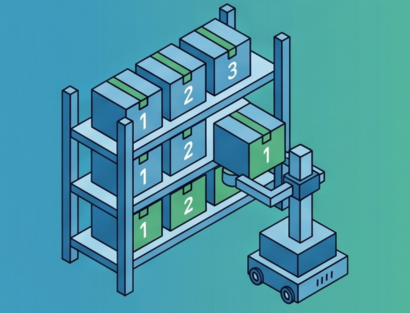
The FIFO concept assumes that the first items you put into your inventory should also be the first items to go out. This is the most intuitive approach because it mimics natural consumption patterns—like eating perishable groceries in the order you purchase them. It ensures that older inventory is sold before newer inventory, which helps reduce waste.
Under the FIFO method, the cost of goods sold (COGS) is based on the cost of the oldest inventory, while the remaining inventory’s cost is based on the most recently purchased items. This approach is particularly helpful during periods of inflation because COGS is derived from cheaper, older inventory, which may boost your profits on paper.
In many countries, FIFO is an accepted and even preferred method for financial reporting. It’s also relatively simple to maintain from an accounting standpoint, which is why many enterprise resource planning (ERP) systems support it out of the box.
To fully appreciate the significance of FIFO, let's compare it with other common inventory valuation methods.
While FIFO assumes the oldest inventory is sold first, LIFO assumes the newest inventory is sold first. This can lead to significant differences in reported profits and inventory values, especially during periods of inflation.
In a rising-cost environment, LIFO results in higher COGS and lower taxable income, while FIFO results in lower COGS and higher taxable income. However, LIFO is not permitted under International Financial Reporting Standards (IFRS).
The Average Cost Method determines the average cost of all inventory items and applies this average to calculate both the COGS and the ending inventory value. While this method simplifies calculations and smooths out price fluctuations, it lacks the specificity that FIFO offers.
FIFO can better reflect the actual cost flows since it accounts for older inventory first, potentially affecting profitability and tax obligations in different ways under various market conditions.
The specific identification method tracks the actual cost of each inventory item. This approach is practical for businesses managing distinct and high-value items, such as artwork, jewelry, cars, or custom-made products.
However, for companies with large quantities of homogenous goods, FIFO provides a more efficient process and easier tracking of inventory costs as it does not require maintaining detailed records for each specific item.
Wondering why FIFO is so widely used? Let's explore the key advantages of implementing this method:
Because FIFO assigns the oldest inventory cost to the cost of goods sold, it provides a clear reflection of how your stock is actually moving. You always know which batches or materials you should use next, making it simpler to keep an eye on your stock levels and expiration dates.
When you sell the oldest inventory first, you reduce the risk of items becoming obsolete or expiring. This is crucial for businesses dealing with perishable goods, technology products, or fashion items. It helps minimize waste and maximize the value of your inventory.
FIFO is widely accepted by accounting standards and regulatory bodies. This makes it easier for businesses to maintain accurate financial records and comply with reporting requirements. It also simplifies audits and improves transparency.
During inflation, older inventory is usually cheaper. So, when those costs are assigned to the cost of goods sold, your margins can see a temporary boost.
If prices rise quickly, FIFO can help you price your finished goods more effectively, as you’re aware of cost changes in near-real-time for new purchases. A clearer understanding of cost flow can enable you to offer competitive prices while still protecting your profit margins.
Since FIFO mirrors the typical flow of inventory (using older stock first), training staff and setting up processes is easier than other methods. Whether you’re managing one stockroom or multiple global warehouses, FIFO principles can scale with you.
Most inventory management software and ERP systems come with FIFO capabilities built in, which simplifies the transition and day-to-day management.
As a business, understanding how FIFO impacts your financial statements and inventory accounting method is crucial. Let’s break down the primary ways this valuation method influences costs on your books.
Let's say a retail outlet buys 100 units of a product at $10 each, then later buys another 100 units at $12 each. If they sell 150 units using FIFO, the COGS will be calculated as (100 units x $10) + (50 units x $12).
Because FIFO uses the oldest inventory first, it can lead to lower COGS during inflationary periods. Therefore, the retailer might report higher profits. While this is great for presenting a strong financial performance, it might also mean a higher tax liability.
After you've sold out old stock, the items remaining in your inventory at the end of the period are the newest and likely the most expensive units. This inflates the value of inventory on your balance sheet during times of rising costs.
A higher inventory valuation boosts your current assets, which can improve certain liquidity ratios. Stakeholders appreciate the simplicity of FIFO, as it aligns with the natural flow of goods and thus makes interpreting financials easier.
Lower COGS means higher gross profit in periods of rising prices. More profit can mean a higher tax burden, so you’ll need to plan accordingly for tax expenses under FIFO.
The clarity offered by FIFO can help managers quickly identify issues like cost overruns or inefficiencies in production, since the method highlights the direct costs of older batches moving through the system.
FIFO has practical applications in various manufacturing sectors. Below are some scenarios that illustrate just how valuable FIFO can be in different types of manufacturing.
In manufacturing, FIFO is crucial for managing raw materials because they often come with a specific shelf life or may become less desirable over time. By using older raw materials first, manufacturers can prevent a backlog of inventory and ensure that materials don't expire or become obsolete.
This is important for industries that rely on organic materials (certain chemical compounds) or time-sensitive materials.
FIFO can also improve production line efficiency by ensuring a smooth flow of materials. When everyone on the shop floor knows that the oldest stock is always the next one to use, it eliminates confusion and guesswork.
If you can predict when certain raw materials will run out, you can schedule production more accurately and avoid costly downtime. By organizing materials in a first-in, first-out manner, manufacturers can optimize production schedules.
In the food and beverage sector, spoiled goods can severely reduce profits. That's why food manufacturers must comply with stringent regulations about expiration dates and traceability. FIFO perfectly aligns with these requirements.
Using the FIFO method drastically cuts down on waste resulting from expired ingredients. Ensuring freshness is key to brand reputation, and FIFO minimizes spoilage while controlling costs, making it not just a savvy financial decision but a necessity for enhancing consumer safety.
Pharmaceutical products often have short shelf lives and strict regulations regarding batch tracking. FIFO helps maintain compliance with organizations like the FDA. Using older materials first ensures that no batch of active ingredients overstays its valid period before being formulated into finished products.
The pharmaceutical sector often also involves complex global supply chains. FIFO makes it easier to maintain transparency across multiple facilities and production lines.
The automotive and electronics industries are constantly evolving due to rapid technological advancements, which means components can quickly become obsolete. To make sure they don’t end up getting scrapped, adopting the FIFO method can help get the oldest components used first.
Since these components are expensive, minimizing the risk of inventory going unused is crucial, and FIFO helps accomplish this by ensuring that each component is used before it expires. It is also much easier to trace the source of a recall or defect in a product, which speeds up the resolution of any issues that may arise.
If you want a reliable, transparent, and easy-to-understand inventory valuation method, FIFO is certainly worth considering. It combines operational simplicity with strong financial insights, allowing you to better manage costs, compliance, and profitability.
KIMCO ERP provides robust inventory management features, which make it straightforward to adopt or maintain a FIFO approach without getting bogged down in administrative tasks. These features include:
Still on the fence about investing in KIMCO? Book a demo now to learn how integrating the platform into your inventory management workflow can set you on a path to more predictable success.

Start your journey with KIMCO today and explore how our manufacturing management software can simplify your operations, step up productivity, and help you meet all your business goals.
