
Discover the essentials of warehouse logistics, its role in supply chain success, and actionable tips to optimize your operations and stay ahead in 2026.
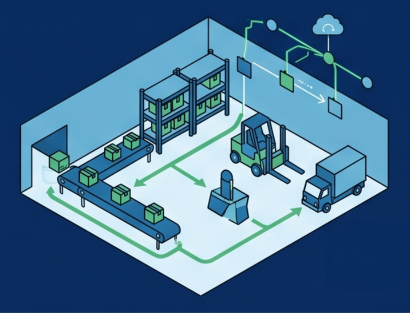
Warehouse logistics is the driving force behind the supply chain's success. It ensures smooth product flow, from manufacturer to customer, while meeting demand for speed, accuracy, and efficiency. But what does warehouse logistics involve, and how can businesses refine their processes to create a high-performing system?
In this blog post, we'll unpack the essentials of warehouse logistics, spotlight its central role in supply chain management, and explore its advantages for companies.
We'll also look at common challenges and provide actionable tips to help you transform your operations and stay ahead in 2026.
Warehouse logistics involves every part of a warehouse operation. This operation includes everything from receiving and storing products to ensuring they are shipped to their destinations. It may also include activities like managing pest control, handling damaged goods, implementing safety policies, and managing reverse logistics for customer returns.
Warehouse logistics is crucial for supply chain management because it keeps goods moving smoothly from maker to buyer. By managing warehouses well, logistics teams can streamline material flow, cut costs, and keep inventory accurate. This means each finished product reaches the right place at the right time. Warehouse logistics also improves supply chain visibility, helping companies predict demand, manage resources, and quickly react to changes.
When implemented effectively, warehouse logistics improve every aspect of supply chain management by minimizing the risk of disruptions, improving efficiency, and maximizing profits.
Effective warehouse logistics have a positive impact on a business's bottom line and overall success, offering benefits including:
Having accurate inventory control is vital for any business that wants to thrive. Effective warehouse logistics practices such as cycle counting and implementing a robust warehouse management system (WMS) can dramatically improve inventory accuracy. In turn, that leads to fewer stockouts, reduced shrinkage, and better forecasting for future demand.
Warehouse space is invaluable for organizations, and effective logistics strategies help you optimize its use. Techniques like space optimization techniques, slotting (assigning storage locations based on product characteristics and demand), and vertical storage solutions can maximize your storage capacity and minimize wasted space.
The most efficient way to streamline processes for faster deliveries is by improving warehouse logistics, such as with automated order fulfillment. With more efficient logistics, customers receive their products faster, which increases customer satisfaction and sales.
Effective warehouse logistics can lead to substantial cost savings. By optimizing processes, reducing errors, and minimizing storage space needs, businesses can streamline their operations and reduce overall warehouse management costs.
When warehouse logistics are running smoothly, it translates to a better customer experience. Faster order fulfillment, improved inventory accuracy, and fewer errors all contribute to happier customers who are more likely to return for future purchases.
By implementing a strategic approach and industry best practices, businesses can optimize their warehouse logistics and gain a competitive edge. Here are some key tips to consider:
A WMS is a powerful software solution that streamlines all aspects of warehouse operations. It helps track inventory levels, manages orders efficiently, optimizes picking routes, and generates valuable reports on key performance indicators (KPIs).
Here's how you can successfully implement a WMS:
Given the technological innovations today, data has emerged as a valuable asset for businesses. Using data analytics to gain valuable insights into your warehouse operations can unlock new ways to identify areas for improvement.
Here's how you can use data analytics to your advantage:
One of the most critical decisions that businesses make is determining how to set up their warehouse space. A well-designed layout helps warehouse staff work more efficiently while minimizing overhead. Here are some key strategies:
Leveraging automation in your warehouse can boost efficiency, lower labor expenses, and cut down on errors. Think about incorporating the following:
Training isn't just a one-time thing—it's an ongoing commitment to meet the dynamic demands of warehouse logistics. A well-trained workforce is the cornerstone of any successful warehouse operation. Investing in comprehensive training programs for your warehouse managers and staff is crucial for maximizing productivity, minimizing errors, and ensuring a safe and efficient work environment.
Here are some key training areas to consider for warehouse success:
Note: The specific training needs will vary depending on the size and complexity of your warehouse operations. It is essential to conduct a thorough needs assessment to identify the specific training requirements for your team.
Using innovative warehousing technology, from automated picking and packing to warehouse management systems, makes businesses more competitive and easily scalable.
These are some technologies that you can consider using in your warehouse:
Audits can be used to identify areas where the warehouse can streamline and optimize processes to make day-to-day tasks go smoother and faster. By ensuring proper maintenance and efficiency, your warehouse can become a model for the industry.
Here are some types of audits you can perform:
There are many benefits to effective warehouse logistics, but businesses should anticipate some common challenges that can hinder their success.
Maintaining accurate inventory records is crucial for efficient warehouse operations. However, challenges like inaccurate data entry, human error, and pilferage can lead to discrepancies between actual stock and recorded inventory levels. This can result in stockouts, overstocking, lost sales, and increased costs.
Warehouse space is a valuable and often limited resource. Inefficient storage layouts, such as haphazardly stacking goods, can waste valuable floor space. Plus, the accumulation of slow-moving or obsolete inventory can further exacerbate space constraints, hindering the efficient movement of goods within the warehouse and increasing the risk of damage.
Finding and retaining skilled warehouse workers can be challenging, especially in competitive labor markets. Labor shortages can lead to increased reliance on temporary or less experienced staff, potentially impacting productivity and increasing the risk of errors. Fatigue, poor ergonomics, and inadequate training can negatively impact worker productivity and morale.
Integrating new technologies, such as WMS, AGVs, and RFID, into existing warehouse operations can be complex and time-consuming. Other challenges include the cost of implementation, staff training, and potential disruptions to existing workflows during the integration process.
Warehouse operations are subject to various cost pressures. Rising labor costs, increasing energy expenses, and escalating transportation costs can significantly impact profitability. The cost of maintaining and upgrading warehouse infrastructure, such as building maintenance and equipment upgrades, can also contribute to rising operational expenses.
In 2026, optimizing warehouse logistics is critical for businesses aiming to stay competitive. By adopting modern strategies and leveraging cutting-edge ERP tools, companies can overcome common challenges, reduce costs, and enhance customer satisfaction.
KIMCO is the perfect solution to take your warehouse operations to the next level. With robust inventory control and cloud-based features, the system streamlines workflows, reduces costs, and enhances on-time delivery rates.
The platform's real-time data insights enable businesses to quickly make informed decisions about their inventory and operations, while its user-friendly interface enables anyone in your organization to access and use the wealth of data available in the system to make optimal decisions for warehouses.
Don't settle for outdated processes—book a free demo and discover how KIMCO can revolutionize your company's supply chain.

Start your journey with KIMCO today and explore how our manufacturing management software can simplify your operations, step up productivity, and help you meet all your business goals.
